Learn everything about teething in babies, common symptoms, when it starts, and whether Ashton & Parsons teething powders are safe. Discover effective ways to soothe your baby’s discomfort.
Teething in Babies: A Complete Guide for Parents
Teething is one of the most important milestones in your baby’s development. While it is a natural process, it can be stressful for both babies and parents. Many babies become fussy, drool excessively, chew on everything they can find, and experience disturbed sleep. As a parent, seeing your little one uncomfortable can be heartbreaking.
Fortunately, there are several safe ways to ease teething pain. One option that many parents consider is Ashton & Parsons Teething Powders, a well-known product that has been used for generations to help soothe teething discomfort.
In this guide, you’ll learn everything you need to know about teething, including the signs and symptoms, when teeth usually appear, effective home remedies, and whether Ashton & Parsons teething powders are a safe choice.
What Is Teething?
Teething is the process where a baby’s first teeth, also called primary teeth or milk teeth, push through the gums. Every baby develops differently, so the timing can vary significantly.
Most babies begin teething between 4 and 7 months of age. However, some babies may get their first tooth as early as 3 months, while others may not see one until after their first birthday.
The first teeth to appear are usually the two lower front teeth, followed by the upper front teeth.
Eventually, most children will have all 20 primary teeth by around three years of age.
Common Signs of Teething
Recognizing teething symptoms can help you comfort your baby more effectively.
Some of the most common signs include:
1. Excessive Drooling
One of the earliest signs of teething is increased saliva production. Your baby’s clothes may become constantly wet, and you may notice a rash around the mouth or chin because of the extra moisture.
2. Chewing on Everything
Babies instinctively chew on fingers, toys, blankets, or anything they can reach. The pressure helps reduce discomfort in the gums.
3. Swollen or Tender Gums
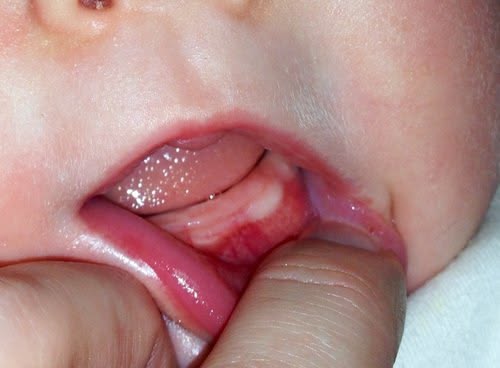
The gums may look red, swollen, or slightly raised where the tooth is about to erupt.
4. Irritability
Teething can make babies cranky because the pressure beneath the gums causes discomfort. Some babies become clingier than usual.
5. Disturbed Sleep
Babies who previously slept well may wake more frequently during the night due to gum discomfort.
6. Reduced Appetite
Your baby may refuse solid foods because chewing can make sore gums hurt more.
7. Ear Pulling or Cheek Rubbing
The nerves around the jaw can cause discomfort that seems to spread toward the ears and cheeks.
Symptoms That Are Not Usually Caused by Teething
Many parents believe teething causes fever, diarrhea, vomiting, or severe illness. However, research shows that teething usually causes only mild discomfort.
Contact your healthcare provider if your baby has:
- A fever of 38°C (100.4°F) or higher
- Persistent diarrhea
- Vomiting
- Difficulty breathing
- Extreme sleepiness
- Refusal to drink fluids
- A widespread rash
These symptoms may indicate another illness rather than teething.
Safe Ways to Relieve Teething Pain
There are several gentle methods to help soothe your baby’s sore gums.
Massage the Gums
Wash your hands thoroughly and gently rub your baby’s gums using a clean finger. The pressure often provides temporary relief.
Use Chilled Teething Rings
A chilled teething ring can numb sore gums. Avoid freezing teething rings because they can become too hard and may injure delicate gums.
Offer Cold Foods
For babies already eating solids, chilled yogurt, mashed banana, or cold fruit puree may provide comfort.
Keep the Chin Dry
Since drooling increases during teething, wipe your baby’s face regularly and apply a baby-safe barrier cream to prevent skin irritation.
Give Extra Cuddles
Sometimes comfort comes simply from being held. Extra cuddles and reassurance can help calm a distressed baby.
What Are Ashton & Parsons Teething Powders?
Ashton & Parsons Teething Powders are a traditional homeopathic product designed to help relieve the discomfort associated with teething.
The powders are packaged in individual sachets, making them convenient to carry and easy to use.
Parents often choose them because they are free from sugar, artificial colors, and preservatives.
The product is intended for babies from around 3 months of age and should always be used according to the instructions provided on the packaging or as advised by a healthcare professional.
Are Ashton & Parsons Teething Powders Safe?
When used exactly as directed, Ashton & Parsons Teething Powders are generally considered safe for the age group specified on the label.
However, it’s important to understand that these powders are homeopathic. The scientific evidence supporting the effectiveness of homeopathic remedies is limited, and many studies have found that they do not perform better than a placebo. Some parents report that their babies seem calmer after using them, while others notice little or no difference.
Always:
- Follow the dosage instructions.
- Do not exceed the recommended number of sachets.
- Keep the product out of children’s reach.
- Consult your doctor or pharmacist if your baby has underlying medical conditions or is taking other medicines.
If your baby develops unusual symptoms after using any product, stop using it and seek medical advice.
How to Use Ashton & Parsons Teething Powders
Always follow the manufacturer’s instructions. Generally, the contents of one sachet are placed directly into your baby’s mouth or given as directed on the package. Do not give more than the recommended amount within a 24-hour period.
If your baby’s symptoms continue for several days or worsen, seek advice from a healthcare professional rather than increasing the dose.
Other Safe Teething Relief Options
Besides teething powders, parents may also consider:
- Chilled silicone teething toys
- A clean, cool washcloth for chewing
- Gentle gum massage
- Plenty of cuddles and comfort
- Age-appropriate pain relief medicines, such as paracetamol or ibuprofen, only when recommended by a healthcare professional and used according to dosing instructions
Avoid using teething gels that contain ingredients not recommended for young infants unless advised by a healthcare professional.
When Should You See a Doctor?
Although teething is normal, some situations require medical attention.
Seek medical advice if:
- Your baby has a high fever.
- Your baby refuses feeds for an extended period.
- There is significant swelling, pus, or bleeding from the gums.
- Your baby appears unusually sleepy or difficult to wake.
- Symptoms seem severe or do not improve.
Trust your instincts—if something doesn’t seem right, it’s always best to have your baby checked.
Caring for Your Baby’s New Teeth
Once the first tooth appears, dental care should begin.
Use a soft baby toothbrush with a tiny smear of fluoride toothpaste (following your local dental guidance) to clean the teeth twice a day. Avoid putting your baby to bed with a bottle containing milk, juice, or sweetened drinks, as this can increase the risk of tooth decay.
Regular dental check-ups from an early age can help establish healthy habits and identify any concerns early.
Frequently Asked Questions
How long does teething last?
Each tooth may cause discomfort for several days before it erupts. Since babies develop 20 primary teeth, teething can come and go over a period of about two to three years.
Can teething cause sleepless nights?
Yes. Many babies experience disrupted sleep due to sore gums, although the pattern varies from child to child.
Can I give Ashton & Parsons every day?
Only use Ashton & Parsons Teething Powders according to the instructions on the packaging. If your baby seems to need ongoing treatment or symptoms persist, consult a healthcare professional.
Do all babies have painful teething?
No. Some babies show very few signs, while others experience more noticeable discomfort.
Final Thoughts
Teething is a normal part of your baby’s growth, but it can be challenging for both babies and parents. Understanding the common signs and using safe, gentle methods to relieve discomfort can make the process easier.
Products such as Ashton & Parsons Teething Powders are used by many families and are generally considered safe when used according to the manufacturer’s directions. However, because evidence for homeopathic remedies is limited, they should be viewed as one option among several comfort measures rather than a guaranteed treatment.
Most importantly, monitor your baby’s symptoms carefully. If they develop a high fever, persistent diarrhea, vomiting, or appear seriously unwell, seek medical advice promptly, as these symptoms are unlikely to be caused by teething alone.
With patience, comfort, and appropriate care, this milestone will pass, and soon your baby’s first smile will be shining with healthy new teeth.