My honest experience of overcoming low breast milk supply with my second baby.
Many mothers dream of exclusively breastfeeding their babies, and I was no different. Since breastfeeding my first child had been smooth, I assumed my second experience would be the same.
I was wrong.
After giving birth to my second baby, I struggled with low breast milk supply. It was one of the most emotional experiences of my motherhood journey, but it also taught me that sometimes the best decision is to adapt and do what is right for your baby.
If you are struggling with low milk supply, here’s how I started combo feeding and why it became the best decision for my family.
How I Realized Exclusive Breastfeeding Wasn’t Working
At first, I thought my milk would increase after a few days.
Instead, my baby kept crying, seemed hungry after every feed, and never looked satisfied. Since I had never experienced this with my first child, I became confused and worried.
I kept asking myself what had gone wrong.
Looking back, I now realize these were signs that my baby was not getting enough milk.
How I Knew It Was Time to Seek Medical Help
After we went home from the hospital, things became even more difficult.
My baby cried constantly and started looking unwell. As a mother, I knew something wasn’t right.
Instead of waiting and hoping things would improve, I returned to the hospital.
That decision probably saved us from more serious problems.
The doctors admitted both of us for almost a month so they could monitor my baby’s feeding and health.
How the Doctors Introduced Me to Combo Feeding
After examining my baby, the doctors explained that he wasn’t getting enough breast milk and needed additional nutrition while I continued breastfeeding.
They gave me a simple feeding plan:
- Breastfeed as often as possible.
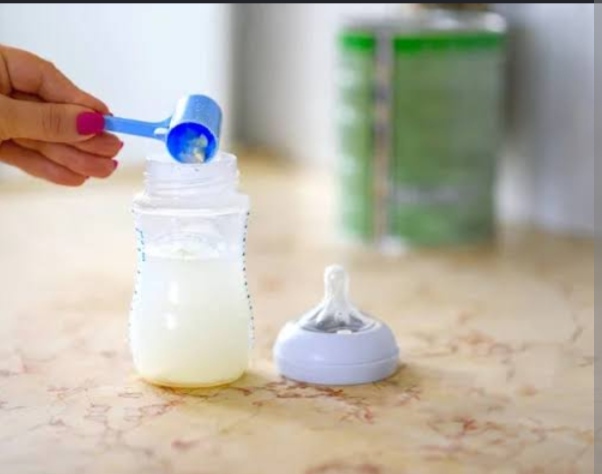
- Top up with 30 ml of formula every three hours.
At first, I felt guilty.
I believed I had failed because I couldn’t exclusively breastfeed like I had with my first baby.
But I soon learned an important lesson: every pregnancy, every baby, and every breastfeeding journey is different.
How Combo Feeding Helped My Baby Thrive
Within a few days of following the feeding plan, I started noticing positive changes.
My baby became calmer.
He cried less.
He looked healthier.
He seemed satisfied after feeding.
For the first time since giving birth, I felt relieved.
Combo feeding gave my baby the nutrition he needed while allowing me to continue breastfeeding.
How I Continued Combo Feeding at Home
After we were discharged from the hospital, I continued using the same approach.
As my baby grew, his feeding needs changed.
By the time he was two months old, I breastfed him as often as possible and topped up with 60 ml of formula every three hours.
This routine worked well for us.
Today, my baby is healthy, active, and growing beautifully.
How This Experience Changed My Understanding of Breastfeeding
Before my second baby, I believed that because breastfeeding had worked perfectly the first time, it would automatically work again.
That wasn’t true.
This experience taught me that every child is different.
Every mother’s body is different.
Every breastfeeding journey is unique.
Comparing one pregnancy or baby with another only creates unnecessary pressure.
How to Cope Emotionally When Breastfeeding Doesn’t Go as Planned
One of the hardest parts wasn’t the feeding itself.
It was the guilt.
I kept wondering whether I was failing my baby.
Eventually, I realized that feeding my baby mattered more than following my original plan.
Once I accepted that, I felt much more at peace.
How Combo Feeding Helped Me Balance Motherhood and Work
I am also a working mom running my own business.
Managing work while caring for a newborn isn’t always easy.
Combo feeding gave me flexibility because I knew my baby could still be fed even when I was busy with work.
It also gave me the confidence to start my blogging journey through Happy Mom, where I share real motherhood experiences to encourage other moms.
How to Know That You’re Not Failing
If you’re struggling with low breast milk supply, especially after a caesarean birth, I want you to know something.
You are not alone.
Low milk supply can happen even if you had no problems breastfeeding your previous baby.
It does not mean you are a bad mother.
It does not mean you have failed.
The most important thing is that your baby is fed, healthy, and growing well.
Final Thoughts
My breastfeeding journey did not go according to plan, but it taught me one of the greatest lessons in motherhood: sometimes the best choice is the one that keeps your baby healthy, even if it looks different from what you expected.
For me, combo feeding became the solution that helped my baby grow while giving me peace of mind.
If you are facing a similar challenge, don’t be afraid to ask for help, follow medical advice, and choose the feeding method that works best for you and your baby.
Remember, you are not failing.
You are nourishing your baby with love, and that is what truly matters.
Have you experienced low milk supply or started combo feeding? I’d love to hear your story in the comments. Your experience could encourage another mom who feels alone.