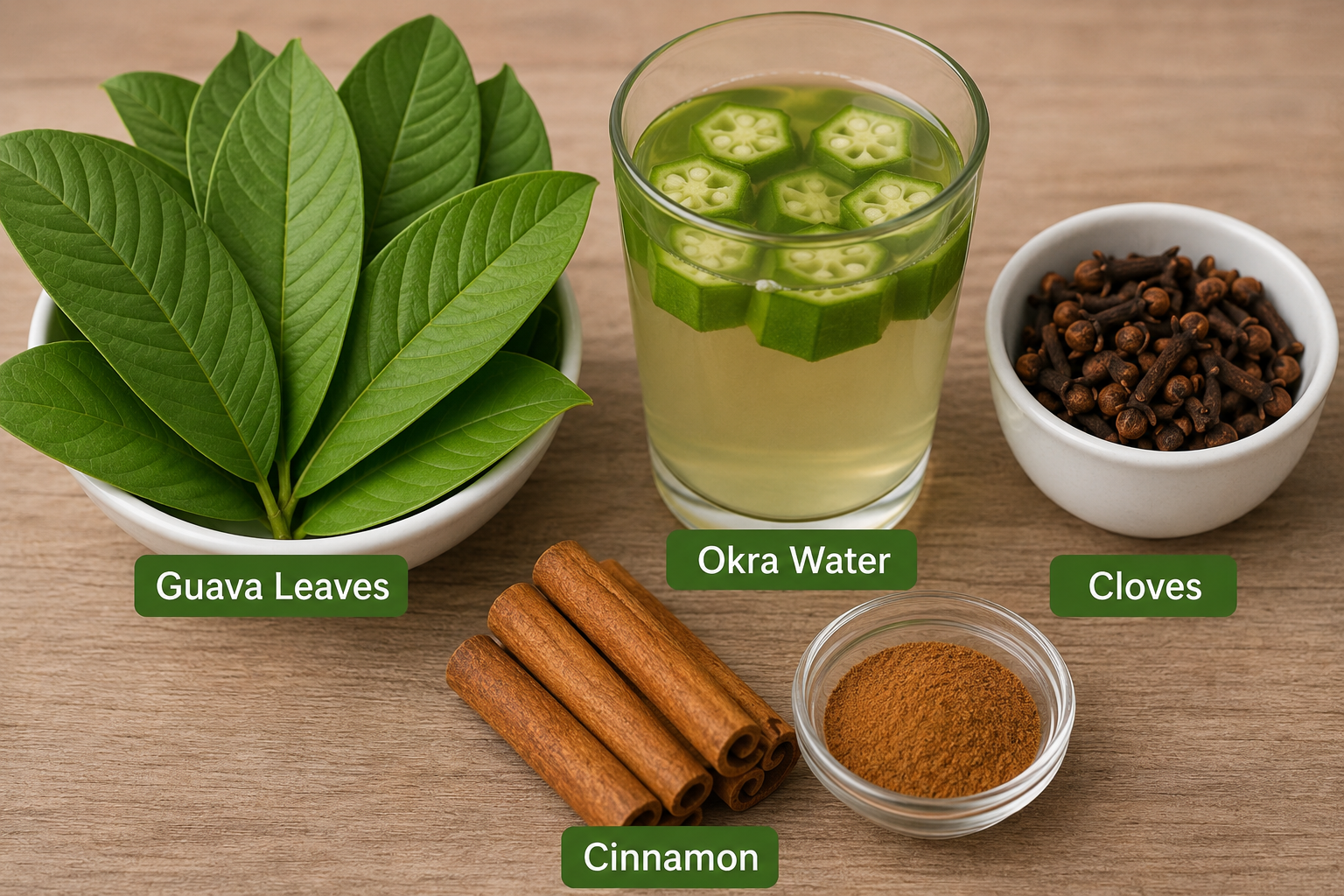
Learn how to support fertility naturally with healthy lifestyle habits, balanced nutrition, stress management, and commonly used natural remedies such as guava leaves, okra water, cloves, and cinnamon. Discover what science says and what to keep in mind while trying to conceive.
Trying to conceive can be an exciting yet emotional journey. While some couples become pregnant quickly, others may need more time. Although there is no guaranteed natural method that can make pregnancy happen, adopting healthy lifestyle habits can support your reproductive health and improve your overall well-being while trying to conceive.
A healthy body provides the best environment for pregnancy. Eating nutritious foods, maintaining a healthy weight, staying physically active, managing stress, and avoiding harmful habits can all contribute to better fertility.
Many people also turn to traditional remedies such as guava leaves, okra water, cloves, and cinnamon in the hope of improving fertility. These remedies have been used in different cultures for generations. However, it is important to understand that there is currently not enough high-quality scientific evidence to prove that these remedies increase fertility or improve the chances of pregnancy. They should never replace medical advice or fertility treatment when needed.
In this guide, we’ll explore healthy habits that may support fertility naturally while taking an evidence-based approach.
1. Eat a Balanced, Fertility-Friendly Diet
Your body needs a variety of nutrients to support hormone production, healthy eggs, sperm quality, and regular ovulation.
Aim to include:
- Plenty of vegetables and fruits
- Whole grains
- Lean proteins
- Healthy fats
- Nuts and seeds
- Legumes
- Dairy or calcium-rich alternatives
Foods rich in antioxidants such as berries, spinach, oranges, tomatoes, and broccoli help protect cells from oxidative stress.
Healthy fats from avocados, olive oil, nuts, and fatty fish also support hormone production.
2. Maintain a Healthy Weight
Both being underweight and overweight can affect hormone balance and ovulation.
Maintaining a healthy body weight may help:
- Improve menstrual regularity
- Support ovulation
- Improve sperm quality in men
- Reduce complications during pregnancy
Crash diets should be avoided because they can interfere with reproductive hormones.
3. Stay Physically Active
Regular exercise supports overall health and may improve fertility by helping maintain a healthy weight and reducing stress.
Good options include:
- Walking
- Swimming
- Cycling
- Yoga
- Light strength training
Aim for about 150 minutes of moderate exercise each week.
However, excessive intense exercise may interfere with ovulation in some women.
4. Reduce Stress
Trying to conceive can sometimes become stressful.
Although stress alone does not usually cause infertility, chronic stress may affect hormone balance and reduce overall well-being.
Healthy ways to manage stress include:
- Meditation
- Prayer
- Deep breathing
- Spending time outdoors
- Talking with supportive friends
- Reading
- Gentle exercise
- Getting enough sleep
Remember that taking care of your mental health is just as important as caring for your physical health.
5. Prioritize Good Sleep
Sleep plays a key role in hormone regulation.
Aim for 7–9 hours of quality sleep every night.
Poor sleep may affect hormones involved in ovulation and reproductive health.
Try to:
- Keep a consistent bedtime
- Limit screen time before bed
- Avoid excessive caffeine late in the day
6. Avoid Smoking and Limit Alcohol
Smoking has been linked to reduced fertility in both women and men.
It may:
- Damage eggs
- Reduce sperm quality
- Increase miscarriage risk
If you’re trying to conceive, quitting smoking is one of the healthiest decisions you can make.
If you drink alcohol, consider limiting or avoiding it while trying for pregnancy.
7. Limit Excessive Caffeine
Moderate caffeine intake is generally considered safe for most people trying to conceive.
However, very high caffeine consumption may not be beneficial.
If you’re trying for pregnancy, consider limiting caffeine to about 200 mg per day unless your healthcare provider advises otherwise.
8. Take Prenatal Vitamins
Women planning pregnancy are encouraged to take folic acid before conception.
Folic acid helps reduce the risk of certain birth defects and supports early fetal development.
Your healthcare provider may also recommend:
- Iron
- Vitamin D
- Iodine
- Vitamin B12 (if needed)
Avoid taking supplements in excessive amounts without medical advice.
9. Know Your Ovulation Window
Understanding your menstrual cycle can improve your chances of pregnancy.
Ovulation usually occurs about 12–16 days before your next period.
Signs of ovulation may include:
- Clear, stretchy cervical mucus
- Mild pelvic discomfort
- Slight rise in basal body temperature
- Increased sex drive
Having regular intercourse every 2–3 days throughout the cycle or during the fertile window can increase the chance of conception.
10. Stay Hydrated
Drinking enough water supports your body’s normal functions, including circulation and the production of cervical mucus.
Aim to drink water regularly throughout the day, especially in hot weather or if you are physically active.
Commonly Used Natural Remedies for Fertility
Across many cultures, people use herbs and home remedies while trying to conceive. Some of the most commonly mentioned include guava leaves, okra water, cloves, and cinnamon.
While these remedies have traditional uses, there is currently not enough scientific evidence to confirm that they improve fertility or increase pregnancy rates in humans.
Let’s look at each one individually.
Guava Leaves
Guava leaves have long been used in traditional medicine for various health purposes.
They contain natural plant compounds such as:
- Flavonoids
- Antioxidants
- Polyphenols
These compounds may support general health by helping reduce oxidative stress.
Some people drink guava leaf tea believing it may help support reproductive health.
However:
- There are very few human studies examining guava leaves and fertility.
- Current research does not prove that guava leaves increase fertility or help people become pregnant.
If you choose to drink guava leaf tea, do so in moderation and discuss it with your healthcare provider, especially if you have a medical condition or take medications.
Okra Water
Okra water has become popular on social media as a natural fertility remedy.
Okra contains:
- Fiber
- Vitamin C
- Folate
- Magnesium
- Potassium
These nutrients contribute to overall health.
Some people believe the slippery texture of okra water improves cervical mucus.
However, there is no reliable scientific evidence showing that drinking okra water improves cervical mucus, boosts fertility, or increases pregnancy rates.
It can still be enjoyed as part of a healthy diet because okra is a nutritious vegetable.
Cloves
Cloves are aromatic flower buds commonly used as a spice.
They contain antioxidants and natural compounds such as eugenol.
Traditionally, cloves have been used for digestive health and oral health.
Some people also believe cloves improve fertility.
At present:
- Human studies are limited.
- There is not enough scientific evidence to conclude that cloves increase fertility in women or men.
Using cloves occasionally in cooking is generally considered safe, but taking large amounts of clove supplements may not be appropriate for everyone.
Cinnamon
Cinnamon is another spice commonly used in traditional remedies.
Some research has explored whether cinnamon may help improve insulin sensitivity, particularly in women with polycystic ovary syndrome (PCOS), a condition that can affect ovulation.
However:
- Research findings are mixed.
- More high-quality studies are needed.
- Cinnamon has not been proven to improve fertility or guarantee pregnancy.
If you enjoy cinnamon, using it in normal food amounts is generally fine.
Can Natural Remedies Replace Medical Treatment?
No.
Natural remedies should not replace proper medical evaluation.
If you have been trying to conceive without success, it’s important to speak with a healthcare professional.
General guidance suggests seeking medical advice if:
- You are under 35 and have been trying for 12 months.
- You are 35 or older and have been trying for 6 months.
- You have irregular periods.
- You have known reproductive health conditions.
- Your partner has known fertility concerns.
Many fertility problems have effective treatments, and early evaluation can be helpful.
Healthy Habits for Both Partners
Fertility is not only a woman’s responsibility. Male fertility plays an important role too.
Both partners can support reproductive health by:
- Eating nutritious foods
- Exercising regularly
- Sleeping well
- Avoiding smoking
- Limiting alcohol
- Managing stress
- Maintaining a healthy weight
- Keeping chronic medical conditions under control
Working together can make the journey less stressful and promote overall health.
Final Thoughts
Supporting fertility naturally begins with caring for your overall health rather than relying on any single food or herbal remedy. Eating a balanced diet, staying active, maintaining a healthy weight, getting enough sleep, managing stress, and taking recommended prenatal vitamins can all contribute to reproductive wellness.
Traditional remedies such as guava leaves, okra water, cloves, and cinnamon are commonly used in many communities, and some people choose to include them as part of their daily routines. However, there is currently no strong scientific evidence proving that these remedies improve fertility or increase the likelihood of pregnancy. If you decide to use them, do so in moderation and let your healthcare provider know, especially if you are taking medications or have an underlying health condition.
Every fertility journey is unique. If pregnancy is taking longer than expected, don’t lose hope. Seeking medical advice early can help identify any underlying issues and provide appropriate guidance. Combining healthy lifestyle habits with evidence-based medical care offers the best support for those hoping to grow their family.